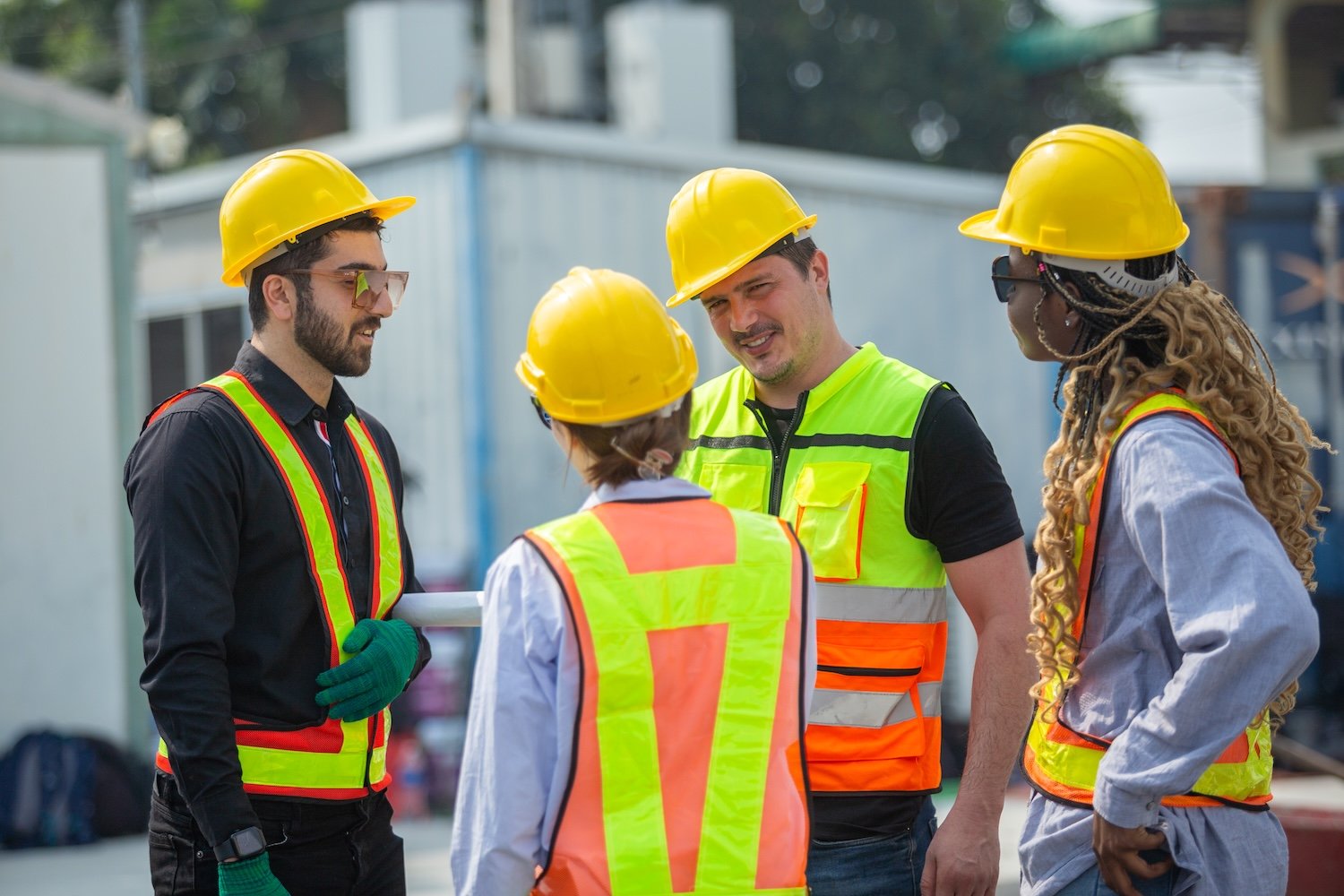
A diverse workforce can bring valuable experience, different perspectives, and a wide range of practical skills to an organization. However, when employees do not fully understand safety instructions, workplace procedures can become difficult to follow.
This challenge is especially serious in industries such as construction, manufacturing, transportation, mining, and industrial operations. Employees may work around heavy machinery, electrical hazards, chemicals, vehicles, elevated surfaces, or rapidly changing conditions.
Bilingual safety training helps ensure that English and Spanish-speaking employees receive important information in a language they can clearly understand.
Safety Information Must Be Understood
Providing safety information is not the same as confirming that employees understand it.
A worker may attend a meeting, receive a handbook, or sign a training form without fully understanding the instructions. Employees may also hesitate to ask questions because they are embarrassed, concerned about delaying the group, or unsure how to express themselves in English.
These communication gaps can affect:
- Equipment operation
- Personal protective equipment
- Emergency response
- Hazard reporting
- Lockout procedures
- Fall protection
- Chemical handling
- Vehicle and traffic safety
- Evacuation procedures
- Task-specific instructions
OSHA states that employers are responsible for providing a safe workplace and complying with applicable safety and health standards. OSHA also requires training for workers who face hazards on the job.
For training to be effective, workers need to understand what is being taught and how it applies to their responsibilities.
What Is Bilingual Safety Training
Bilingual safety training presents workplace safety information in two languages, such as English and Spanish.
Depending on the workforce and course format, the instructor may:
- Deliver separate English and Spanish classes
- Explain each topic in both languages
- Use bilingual presentations and handouts
- Encourage questions in either language
- Include translated workplace terminology
- Use demonstrations to support verbal instruction
- Review site-specific procedures in both languages
The objective is not simply to translate words. The goal is to make the instruction understandable, practical, and relevant to the employees receiving it.
Bilingual Training Reduces Misunderstandings
Workplace instructions can lose important meaning when they are communicated through informal translation.
For example, a supervisor may ask one bilingual employee to explain a safety procedure to the rest of the crew. That employee may understand the task but may not know the correct safety terminology or training requirements.
Important details can be shortened, misunderstood, or unintentionally omitted.
Professional bilingual instruction helps maintain consistency. Every participant receives the same essential information, including warnings, procedures, limitations, and examples.
This can be particularly valuable when training covers complex topics such as:
- Confined space hazards
- Respiratory protection
- Electrical safety
- Excavation procedures
- Hazard communication
- Emergency response
- Equipment inspection
- Fall-protection systems
Employees Are More Likely to Participate
Training is more effective when employees participate instead of quietly listening.
Workers who receive instruction in their preferred language may feel more comfortable:
- Asking questions
- Describing previous experiences
- Discussing unsafe conditions
- Participating in demonstrations
- Responding to scenarios
- Confirming their understanding
- Reporting concerns
This participation gives instructors and supervisors valuable feedback. It helps them identify which topics employees understand and which areas require additional explanation.
A quiet classroom does not always mean everyone understands the information.
Bilingual Training Supports Hazard Reporting
Employees are often the first people to notice changing workplace conditions. They may see damaged tools, missing guards, unstable materials, blocked exits, worn personal protective equipment, or unsafe work practices.
However, workers may not report these concerns if they do not know the correct words or believe their supervisor will not understand them.
Bilingual training can teach employees how to identify and describe common hazards. It can also explain the company’s reporting process in clear language.
When workers know who to contact, what information to provide, and what steps to follow, potential hazards can be addressed more quickly.
Training Can Strengthen Trust
Employees are more likely to support a safety program when they feel respected and included.
Offering instruction in English and Spanish shows workers that the organization values their understanding rather than treating training as a paperwork requirement.
This can strengthen trust between:
- Employees and supervisors
- Experienced workers and new hires
- Management and field personnel
- Contractors and host employers
- English-speaking and Spanish-speaking teams
Trust matters because employees must feel comfortable reporting mistakes, near misses, and hazardous conditions.
A safety culture becomes weaker when workers are afraid to speak. It becomes stronger when communication is open and respectful.
Visual and Hands-On Training Improves Learning
Language is important, but the method of instruction also matters.
Long presentations filled with technical terminology may be difficult for any employee to remember. Visual examples and hands-on demonstrations can make safety concepts easier to understand.
Effective bilingual training may include:
- Photographs of safe and unsafe conditions
- Equipment demonstrations
- Personal protective equipment inspections
- Workplace scenarios
- Group discussions
- Hazard-identification exercises
- Short knowledge checks
- Practical examples from the employees’ industry
Workers should not only hear what to do. Whenever possible, they should see the correct method and have an opportunity to practice it.
Bilingual Training Should Reflect the Workplace
Every organization has different hazards.
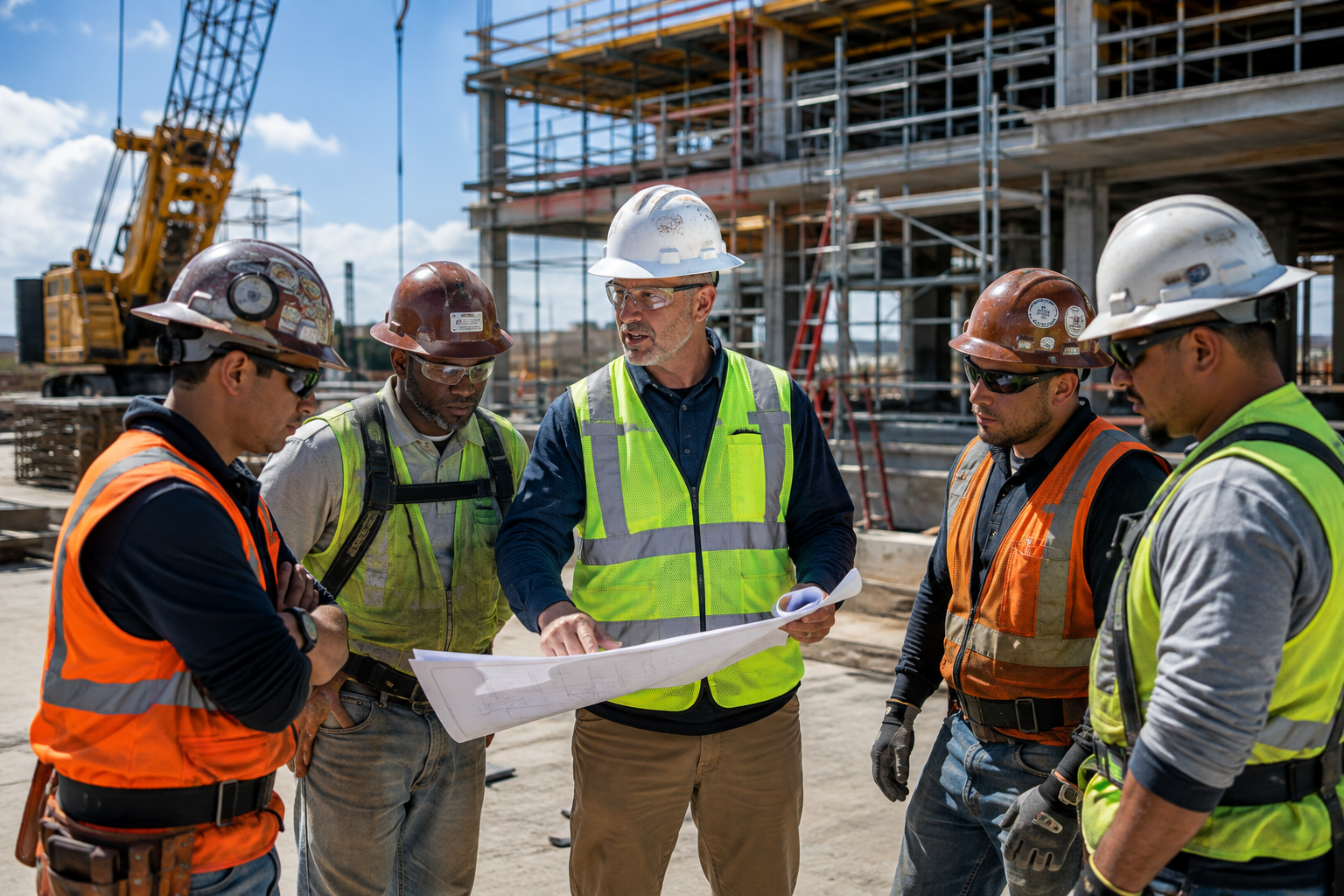
A bilingual course for a construction company may focus on ladders, scaffolds, fall protection, excavation, and power tools. Training for a transportation company may place greater emphasis on vehicle inspections, loading procedures, backing hazards, and driver safety.
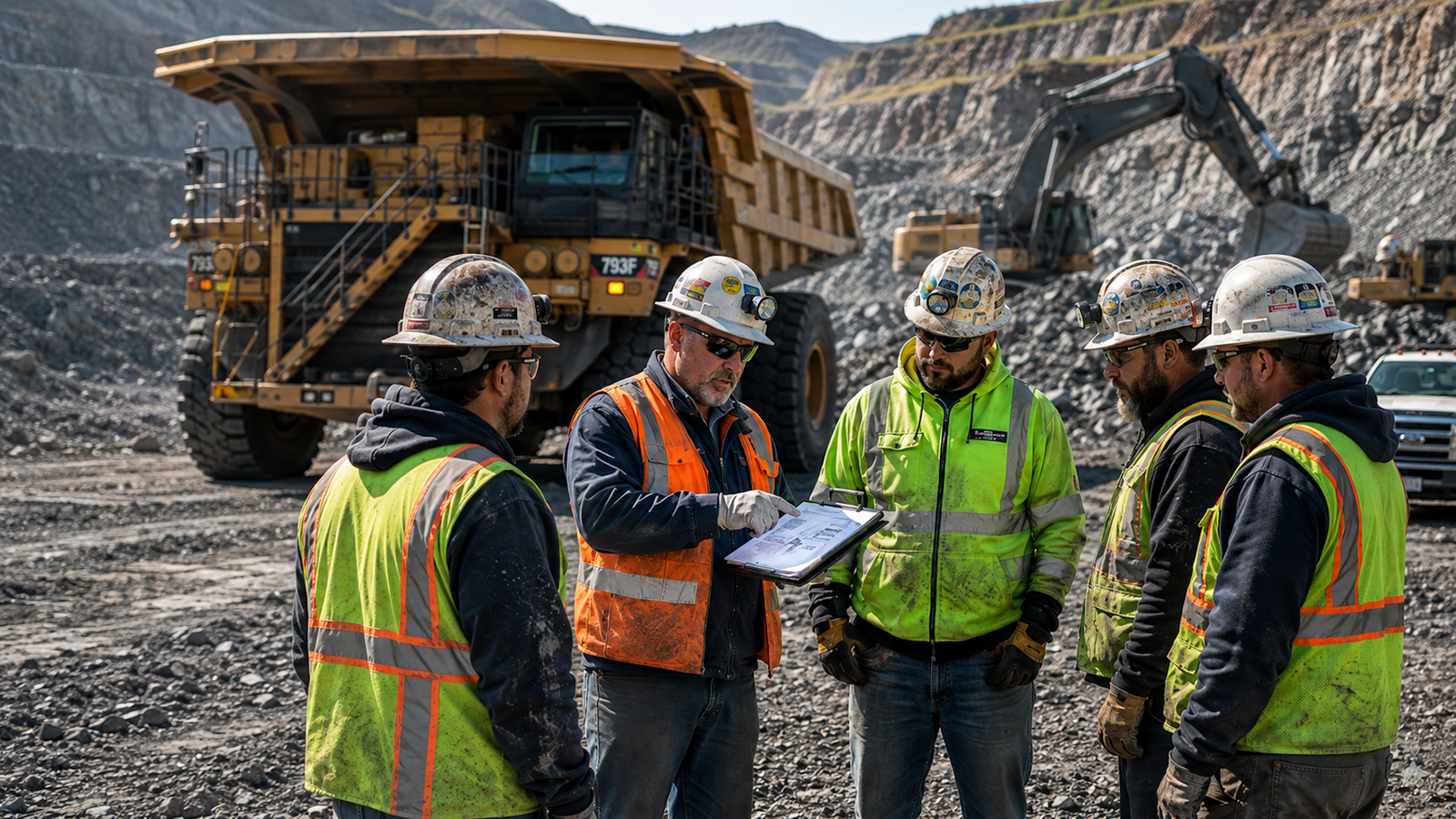
Mining operations may require instruction related to mine-specific hazards, emergency procedures, task training, and annual refresher requirements. MSHA states that miners must receive basic and annual refresher training and that mine operators must maintain an effective training plan.
The most effective training connects regulatory requirements with the actual tasks, equipment, and conditions employees encounter.
Spanish Safety Resources Are Widely Recognized
The need for Spanish-language instruction is recognized throughout workplace safety programs.
OSHA provides Spanish-language compliance resources, course information, educational materials, and access to Spanish-speaking outreach trainers.
These resources can support employers, but organizations must still determine what instruction their workers need and how it should be delivered.
A translated poster or handout may be helpful, but it should support rather than replace meaningful training and communication.
How Employers Can Improve Bilingual Safety Training
Employers can make bilingual training more effective by taking several practical steps.
Understand the Workforce
Identify the languages employees use and their comfort level with technical English. Do not assume that conversational English means an employee understands specialized safety terminology.
Use Qualified Instructors
Choose instructors who can communicate accurately in both languages and understand the subject being taught.
Avoid Informal Translation
Do not rely entirely on another employee to translate complex procedures during a meeting.
Include Workplace Examples
Use photographs, tools, forms, equipment, and scenarios that employees recognize.
Confirm Understanding
Ask questions, use demonstrations, and allow employees to explain procedures in their own words.
Reinforce the Training
Continue using bilingual toolbox talks, signs, instructions, and supervisor communication after the formal course.
Create a Safety Program Everyone Can Understand
A workplace cannot achieve consistent safety performance when part of the workforce does not fully understand the expectations.
Bilingual safety training helps close communication gaps, increase employee participation, improve hazard reporting, and create a more inclusive safety culture.
Elite Safety Training Services provides professional safety instruction in English and Spanish for construction, industrial, commercial, transportation, and mining organizations.
Our training combines clear explanations, practical examples, and hands-on learning to help employees understand how safety applies to their daily work.
Contact Elite Safety Training Services to schedule bilingual workplace safety training for your team.